
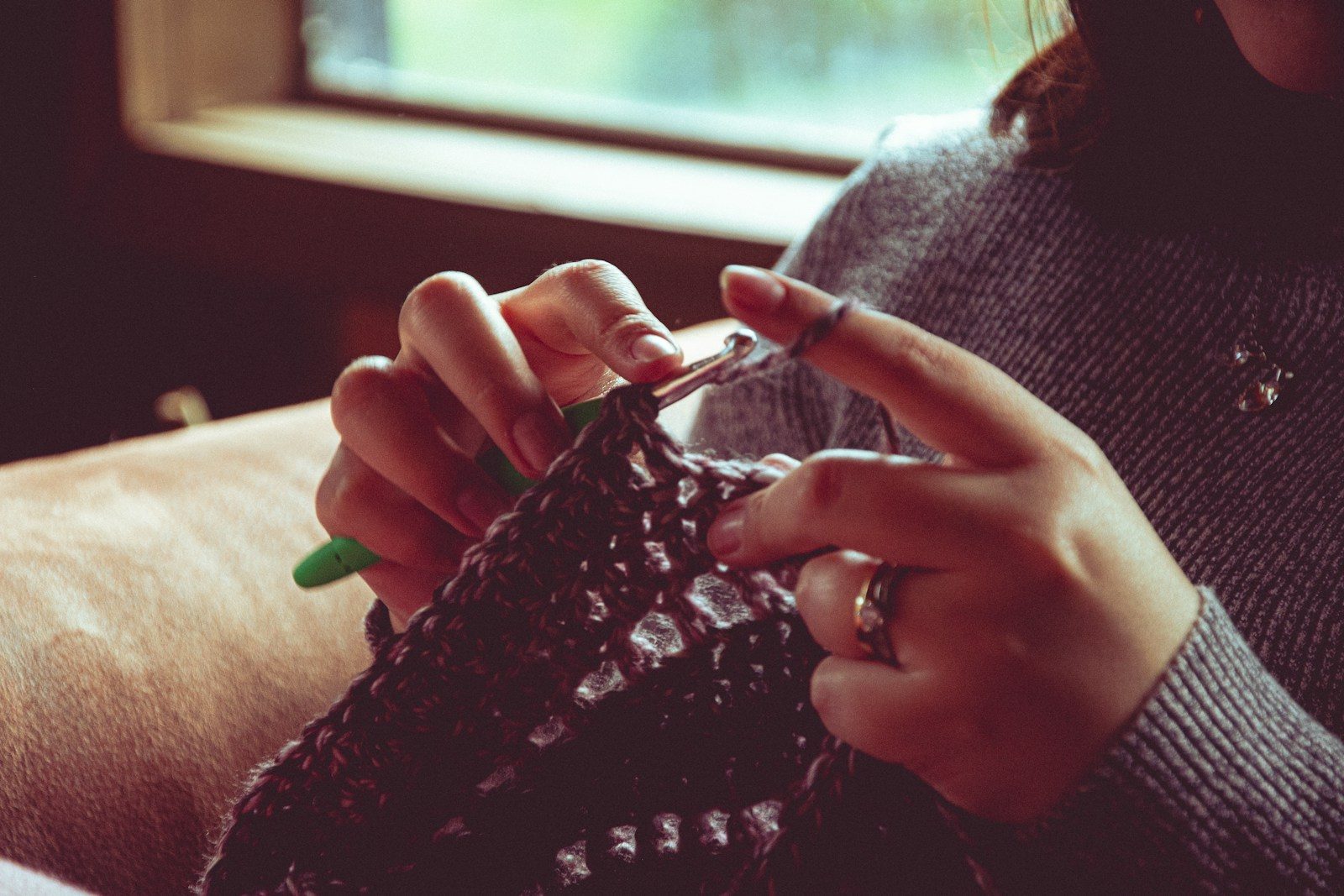
My mother and sisters belong to a social group specifically for women. It is one of those wonderfully quirky organisations that has been part of community life for well over 100 years, and its enduring popularity is easy to understand. For its members, it is about much more than simply attending meetings. It is about friendship, belonging and seeing familiar faces year after year.
There is always something going on. Meetings often feature speakers who entertain, inform or enlighten, while a whole range of activities gives members plenty of opportunities to get involved. There are walking groups, craft groups, book clubs and gardening enthusiasts, along with members who enjoy cooking, sewing and all manner of creative pursuits.
There was once a very enthusiastic catering contingent, too, although changing attitudes towards food, dietary requirements and the need to be a little more careful about what we eat have gradually put paid to some of the more ambitious cake-making activities. There is, however, one notable exception: the monthly meeting.
When the final applause dies away and someone announces that it is time for tea, all good intentions about healthy eating can disappear remarkably quickly. Suddenly there is cake. And biscuits. And sandwiches. And perhaps just one more slice because, well, it would be rude not to.
Finding the Right Balance
Knowing how to manage your activities, hobbies and eating habits without simply piling on the pounds can be something of a balancing act. What inspires one person to take up a new challenge may have quite the opposite effect on someone else.
The wonderful thing about a group like this is that there is room for all sorts of interests. Some members belong to book clubs, others spend their spare time gardening or cooking, while plenty have discovered a passion for sewing, knitting and other crafts.
One member in particular has turned sewing into something of an art form. She makes costumes for the local theatre, with the weeks leading up to Christmas becoming particularly hectic as the annual pantomime approaches. At that time, it really is all hands to the task.
Her enthusiasm for sewing, particularly for creating elaborate and rather frilly garments, has grown into something of a monster. But she is perfectly happy, and perhaps that is what matters most. As long as nobody needs to find anything in her house, she is content.
When a Hobby Takes Over the House
The scale of a crafting hobby can sometimes be difficult to appreciate until you see the evidence for yourself. We were reminded of this recently when the widower of a much-loved member offered us the enormous collection of crafting materials that had belonged to his wife.
There was so much of it that we needed five separate deliveries.
There were boxes of wool in every colour and variety imaginable, along with two large trugs filled with part-used balls of yarn, many without labels. There were five big bags containing assorted tools and gadgets for making things such as bobbles, along with knitting needles, stitch counters, row counters, single knitting pins and flexible circular needles.
And then there was the toy stuffing.
We also discovered bags of kapok filling, presumably destined to bring a small army of half-finished knitted and crocheted toys to life. There were projects everywhere, or at least the beginnings of projects. The sheer quantity of materials suggested that this was not simply a hobby. It had become a way of life.
Poor husband. He had never really known what any of it was for while his wife was alive. To him, it was simply wool, needles, hooks, bags and mysterious crafting equipment that seemed to multiply by themselves.
He was enormously grateful when one of our group contacted the family and offered to take the entire treasure trove of crafting materials away. It was far more than one person could possibly use in a lifetime, and it had gradually taken over their home.
Knowing When Enough Is Enough
Perhaps that was the real crux of the problem. Our dear friend simply had no off switch. She would bulk-buy crafting materials without necessarily having a particular project in mind. If something looked useful, interesting or beautiful, why buy one when you could buy several?
Most of us can probably recognise a little of ourselves in that. Hobbies are meant to bring pleasure, and collecting the things associated with them can become part of the fun. But there comes a point when the hobby itself can begin to take over.
Sadly, we couldn’t help our friend to find that balance while she was alive. But we have certainly helped her husband now. By taking away the wool, crochet hooks, knitting needles, toy filling and countless other mysterious objects, we have given him the chance to remember his wife for the things that really mattered — the friendship, the laughter and the happy memories they shared.
And, perhaps most importantly, he no longer has to wonder what on earth to do with several hundred balls of wool.
Photo by David Vilches.