What Are Lone Working Apps?

Working alone can pose serious safety challenges. From community care workers visiting clients to engineers travelling between remote locations, many professionals find themselves without immediate support should something go wrong. This is where lone working apps come in – digital tools designed to keep lone workers connected, monitored, and protected at all times.

Lone working apps are mobile applications that enable employers to manage the safety of staff who work independently or in isolated settings. Typically installed on a smartphone, these apps allow workers to check in, raise alerts, and share real-time location data. Some solutions also integrate with specialist hardware like wearable alarms or GPS trackers, creating a comprehensive personal safety system.

Who Uses Lone Working Apps?

The term ‘lone worker’ covers a wide variety of professionals across sectors. Social care and healthcare providers often rely on these apps for staff making home visits or working nights. Property inspectors, delivery drivers, and maintenance engineers benefit too, as they often operate off-site or in unpredictable conditions. Retail staff closing up late, security personnel, and surveyors working in remote environments are also common users.

Even educational institutions are increasingly adopting these systems to protect teachers, facilities teams, and support staff who may need to work independently on large or empty campuses. Essentially, any employee beyond direct supervision can benefit from having their safety monitored through a simple, easy-to-use app.

Key Features and How They Work

Modern lone working apps combine intuitive design with powerful safety features. While exact functionality varies by provider, most include:

  • Real-time location tracking: Enables employers or monitoring teams to locate users quickly during emergencies.
  • Timed check-ins: Workers set regular safety confirmations. If these are missed, an alert is triggered automatically.
  • Panic or SOS buttons: Allow users to raise an instant alarm if they feel threatened or experience an accident.
  • Two-way communication: Many apps support voice, text, or audio messaging between worker and response centre.
  • Discreet alerts: Some software includes ‘stealth’ alarm options for situations where drawing attention could put the worker at greater risk.
    These functions give workers a safety net wherever they are, while also providing employers with the assurance that compliance and duty-of-care obligations are met.

Why Lone Working Apps Are Essential for Safety and Compliance

Health and safety law in the UK places a legal responsibility on employers to protect lone workers. Mobile safety technology makes this simpler, more reliable, and more transparent. By implementing lone working apps, organisations can easily demonstrate that proactive measures are in place — from conducting risk assessments to ensuring immediate emergency support.

The technology also encourages a stronger safety culture. Workers gain peace of mind knowing they’re not truly alone, while employers can respond swiftly to potential incidents. For many companies, it’s also a cost-effective solution compared with physical monitoring systems or dedicated security staff.

Beyond compliance, using these tools can improve staff confidence and retention. When employees feel secure, morale rises and productivity follows. That reassurance can be particularly valuable in sectors with challenging working conditions or high staff turnover.

Selecting the Right Lone Working App

Choosing the right solution depends on your team’s environment and risk profile. Look for apps with user-friendly interfaces, reliable connectivity, and features that can adapt to both urban and rural settings. Consider whether you need integration with existing systems, such as HR platforms or incident reporting tools, and ensure the provider offers full training and support.

It’s worth trialling different lone working apps to see which best fits your organisation’s needs. Ask for demonstration versions, explore response times, and review how well alerts are handled in real-world simulations. Remember: the simplest app is often the one staff are most likely to use consistently.

Supporting Safer, Smarter Working

Technology can never completely replace human vigilance, but it can greatly enhance safety and peace of mind for those working alone. Lone working apps continue to evolve, offering smarter tracking, faster response times, and more accessible communication options.

As UK workplaces place increasing focus on employee wellbeing, the use of lone working technologies marks an important step towards safer and more equitable working conditions — where every worker, wherever they are, can stay connected, protected, and supported throughout their day.

Featured image credit: AI generated.

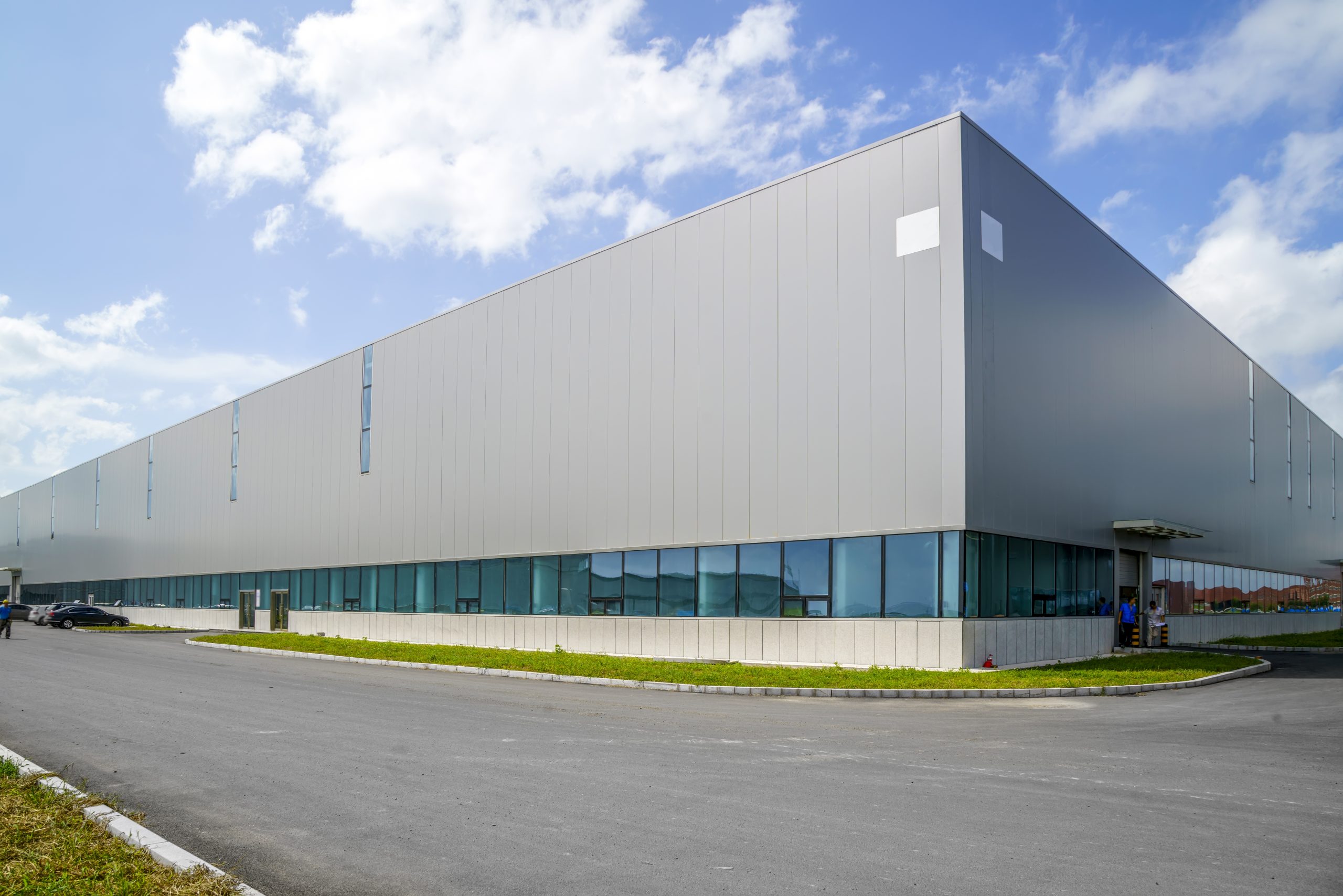
factory cladded with metal sheeting

The Benefits of Using Industrial Metal Sheeting in Your Commercial Premises

When it comes to constructing durable, long-lasting, and cost-effective roofing or cladding solutions, businesses often turn to strong materials that can stand the test of time. Among the most popular of these is metal sheeting, a versatile option that has become a staple in industrial and commercial construction. From warehouses to factories, its reliability and performance make it a top choice for companies looking to protect their assets while keeping maintenance costs down.

Strength and Durability

One of the standout advantages of metal sheeting is its exceptional strength. Unlike traditional roofing materials, it offers impressive resistance to extreme weather conditions, including heavy rain, high winds, and even snow. Many types of sheet metal are also fire-resistant, which makes them a safer option for industrial environments.

Durability is another major factor. Properly installed metal sheets can last several decades with minimal maintenance, making them a cost-effective investment over the long term. This longevity is especially valuable for businesses that want to minimise disruption to their operations from frequent roof repairs or replacements.

Cost-Effectiveness Over Time

While the upfront cost of metal sheeting may be slightly higher than some alternatives, it is worth considering the bigger picture. Reduced maintenance requirements and the long lifespan of the material mean businesses save significantly in the long run.

Additionally, metal sheeting is often manufactured from recyclable materials and can itself be recycled at the end of its lifespan. This not only reduces environmental impact but can also be an attractive benefit for companies looking to improve their sustainability credentials.

Flexibility in Design

Another reason metal sheeting is so popular is its flexibility in terms of design. Sheets are available in a range of sizes, thicknesses, and finishes, meaning they can be tailored to suit a variety of industrial applications. Whether used for roofing, wall cladding, or even structural support, the adaptability of metal sheeting makes it an all-in-one solution.

On top of that, many suppliers offer coatings or paint finishes to further enhance durability and aesthetic appeal. This allows businesses to not only benefit from a robust roofing or cladding material but also to maintain a professional, polished appearance for their premises.

Energy Efficiency and Insulation

Modern metal sheeting can also play a role in improving energy efficiency. Reflective coatings help reduce heat absorption, which can lower cooling costs in large industrial buildings. When combined with appropriate insulation, metal sheets can help regulate internal temperatures more effectively, making them a smart choice for energy-conscious businesses.

The Importance of Professional Installation

Although the material itself is incredibly robust, its performance is only as good as the installation. Choosing a well-respected commercial roofing company is essential to ensure the full benefits of metal sheeting are realised.

A professional team will not only install the sheets correctly but also advise on the best type of metal and coatings for the specific environment. Poor installation can lead to leaks, structural weaknesses, or reduced lifespan, all of which could quickly negate the benefits of investing in metal sheeting. By working with trusted experts, businesses can enjoy peace of mind knowing their roofing or cladding is built to last.

Industrial Metal Sheeting: A Longterm Investment

Industrial metal sheeting has become one of the most reliable and cost-effective solutions for roofing and cladding in commercial settings. With its unbeatable durability, long-term value, and design flexibility, it offers businesses a way to protect their facilities while keeping operating costs manageable. When combined with expert installation from a reputable commercial roofing company, metal sheeting is an investment that continues to deliver benefits year after year.

Image credit: Freepik

Why the Right Conference Venue Can Make or Break Your Learning Experience

For many men looking to improve their career prospects, attending in-person events like training sessions, networking meetups, and industry conferences can be a valuable step. These settings offer a chance to learn new skills, meet the right people, and gain the confidence needed to move forward. But one element that often gets overlooked is the venue itself.

Choosing the right space isn’t just a question of convenience—it directly affects how useful and enjoyable the event will be. That’s why expert conference venue finding has become an important part of organising professional events. The right venue helps everyone stay focused, comfortable, and engaged.

It’s not just about having a projector and some chairs. A good venue is easy to get to, has the right layout for the type of session, and supports everything from group discussions to solo study. If the environment is noisy, awkward, or badly set up, it can seriously limit how much you take away from the day.

Whether you’re attending a CV workshop, a trade event, or a business seminar, the setting plays a major role in how confident and capable you feel while you’re there. Organisers who take conference venue finding seriously are more likely to create events that actually help people learn and grow.

So if you’re investing your time in professional development, keep this in mind: the venue matters. It’s more than just a location—it’s part of the experience. And when done right, it can make the difference between a wasted day and a game-changing one.